Blog
Insights for legal and business professionals

Transcription in Behavioral Health: Documenting Therapy and Counseling Sessions
Clinical documentation in behavioral health is among the most demanding in all of medicine — requiring precision about language, affect, and relational dynamics that standard note templates cannot capture. Transcription gives clinicians a richer record to work from, improving the quality of notes, supervision, and continuity of care.
Read article →

Building Competitive Intelligence from Sales Call Transcripts
Every time a prospect names a competitor, describes how another product works, or explains why they are evaluating alternatives, your sales team receives competitive intelligence. Most of it evaporates before the end of the call. Transcription turns those passing comments into a database your whole organisation can use.
Read article →

Capturing Conference Knowledge: Why Academics Transcribe Presentations and Q&A Sessions
Academic conferences generate knowledge that never makes it into any paper or slide deck: the pointed question that reframes a methodology, the hallway exchange that seeds a collaboration, the Q&A response that qualifies a published finding. Transcription is how institutions and researchers capture what the conference actually produced.
Read article →
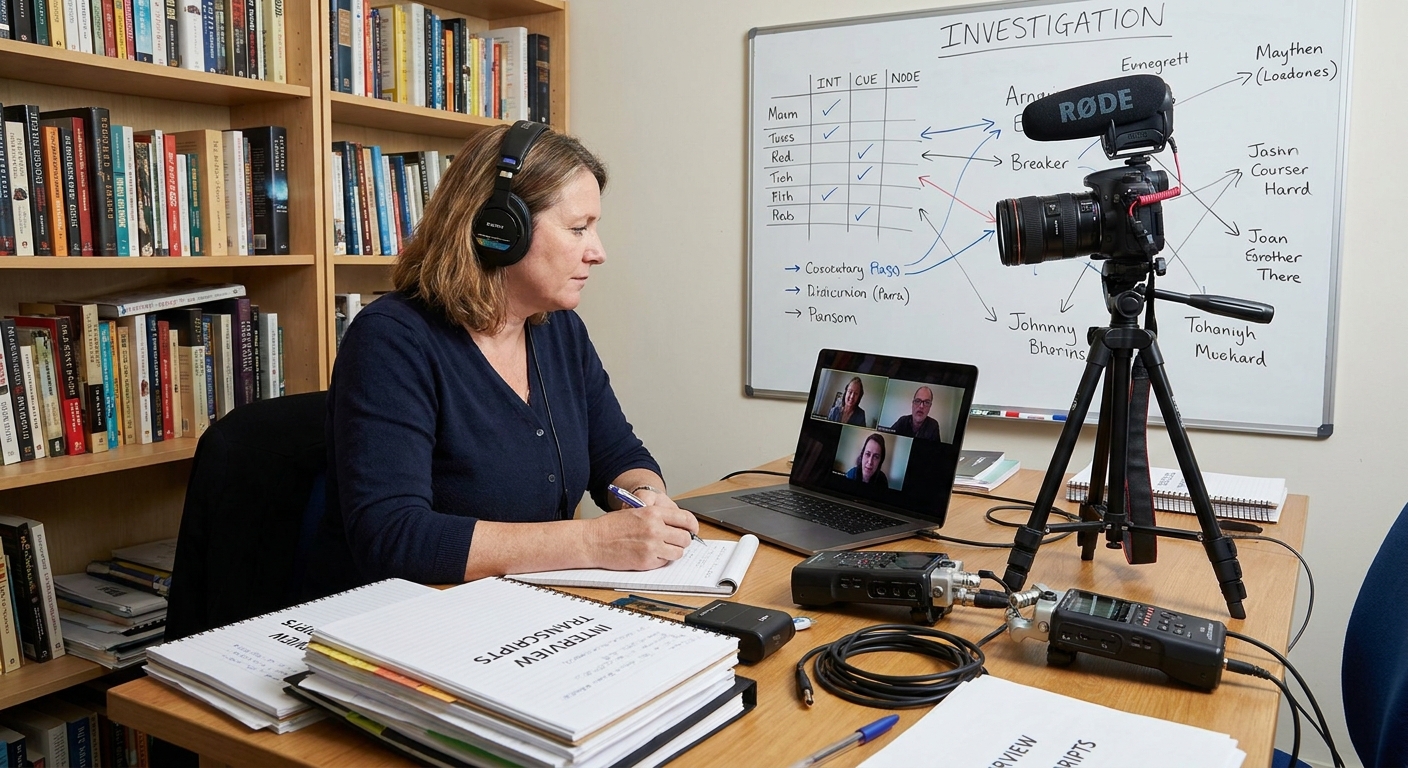
How Documentary Researchers Manage Multi-Source Interview Transcripts
A feature documentary might draw on sixty interviews recorded across two years. The researcher's job is to find the story hidden inside all of that material — and that work begins with having a complete, readable record of every word said.
Read article →
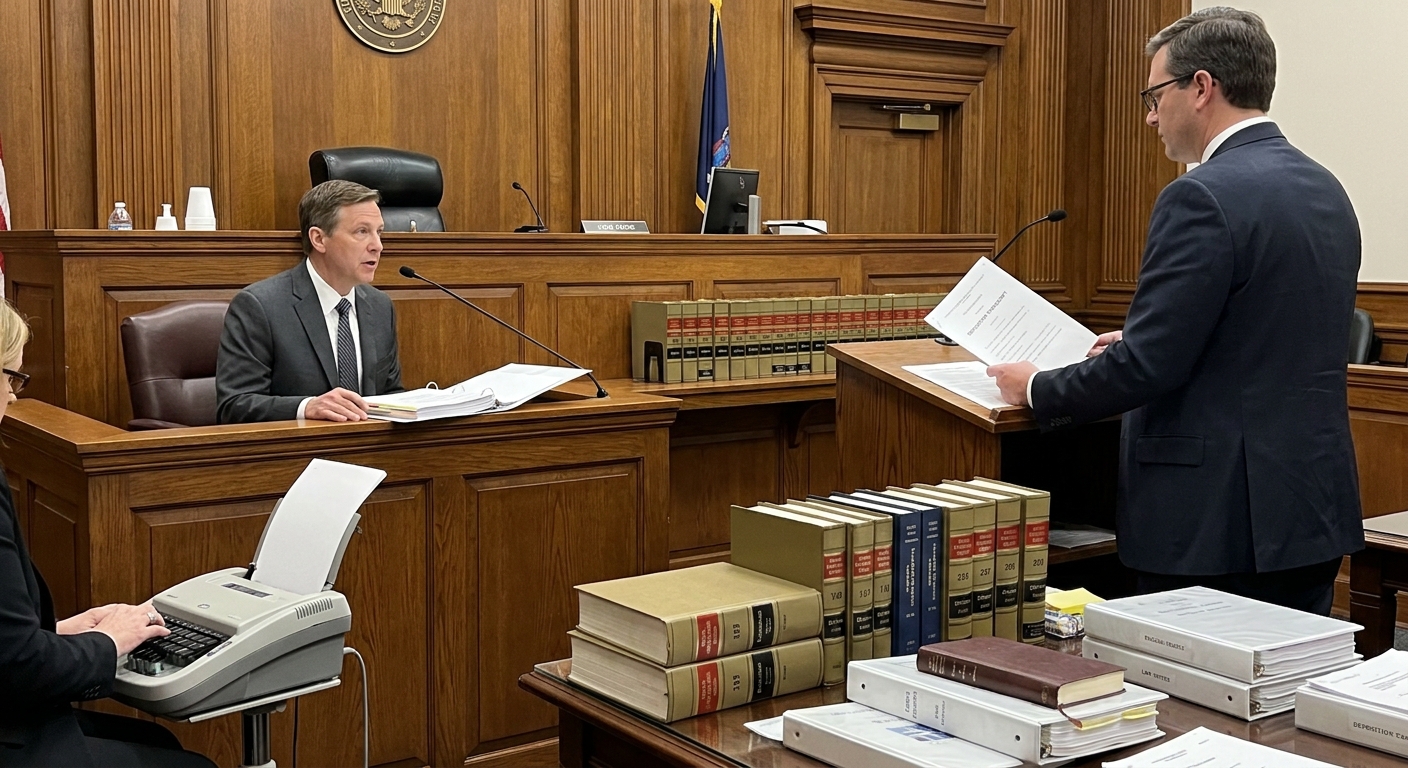
How Legal Teams Use Transcription to Prepare Expert Witnesses for Deposition
An expert witness who contradicts their own prior statements under deposition can sink a case. Legal teams that use transcription throughout the preparation process — from initial consultation to mock examination — build a record that helps experts stay consistent, precise, and credible.
Read article →

Why Qualitative Researchers Transcribe Focus Groups
A focus group is not a collection of individual opinions — it is a social event. The dynamics between participants, the moments of consensus and dissent, the silences and the interruptions, are data. None of it survives in a researcher's notes.
Read article →

Why Accurate Documentation Makes Performance Reviews More Effective and Fair
Most performance reviews are constructed from a manager's recollection of the past six to twelve months — a process vulnerable to recency bias, halo effects, and selective memory. Documenting performance conversations through transcription gives managers and HR teams the factual foundation that makes reviews more accurate, more actionable, and more defensible.
Read article →
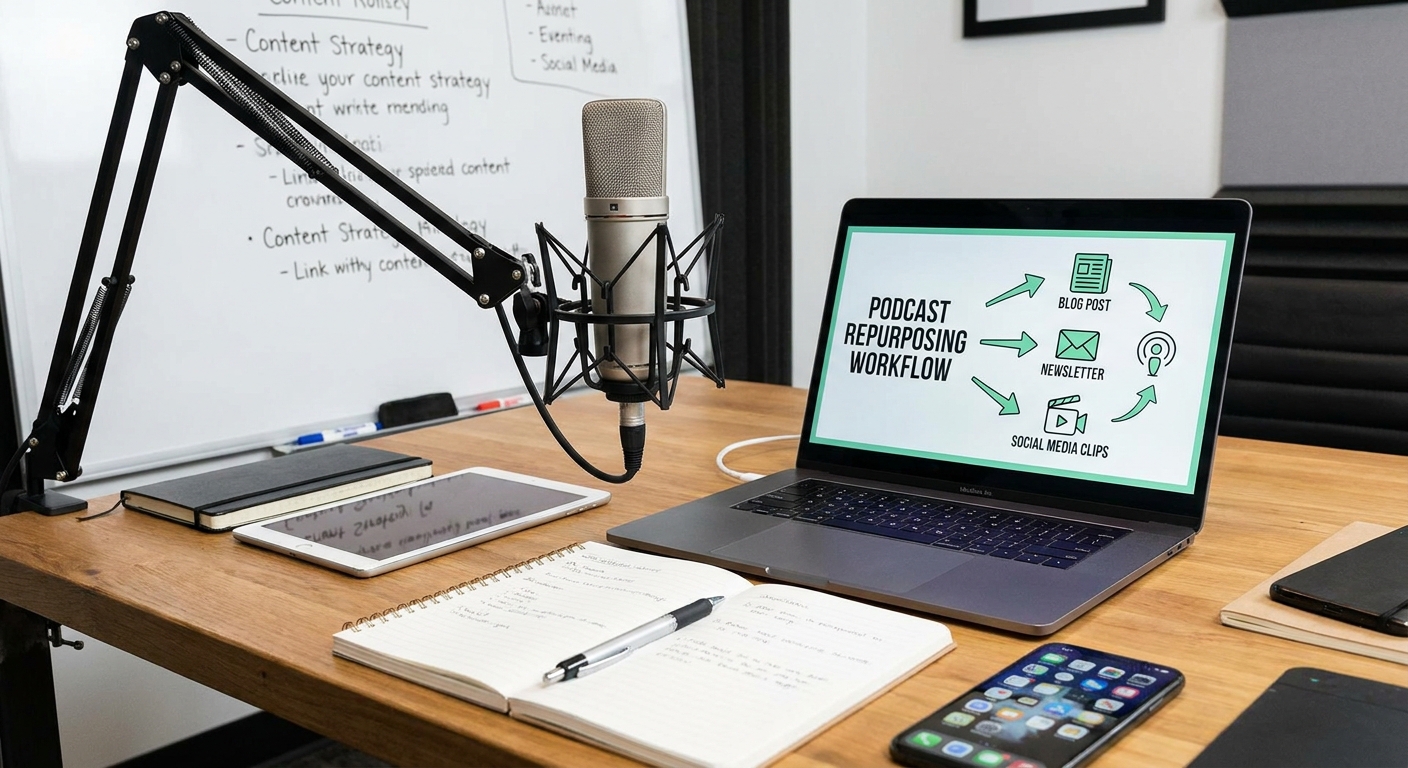
From Audio to Everywhere: Repurposing Podcast Transcripts Across Content Channels
Most podcast producers publish an episode and move on. The conversation they just recorded — the ideas, the expertise, the quotable moments — exists only as audio until the next listener finds it. Transcription breaks the episode out of the audio format and into every channel where your audience actually spends their time.
Read article →

Lecture Transcription: Accessibility, Equity, and the Case for a Searchable Course Record
A live lecture lasts ninety minutes and disappears. A transcript lasts the entire semester. The gap between those two facts is where students with disabilities, multilingual learners, and anyone who missed a nuance quietly fall behind.
Read article →

From Interview to Analysis: How Transcription Powers Academic Qualitative Research
Qualitative researchers collect hundreds of hours of interview audio. The transcript — not the recording — is what gets coded, analysed, and cited. Here is why transcription quality determines research quality.
Read article →
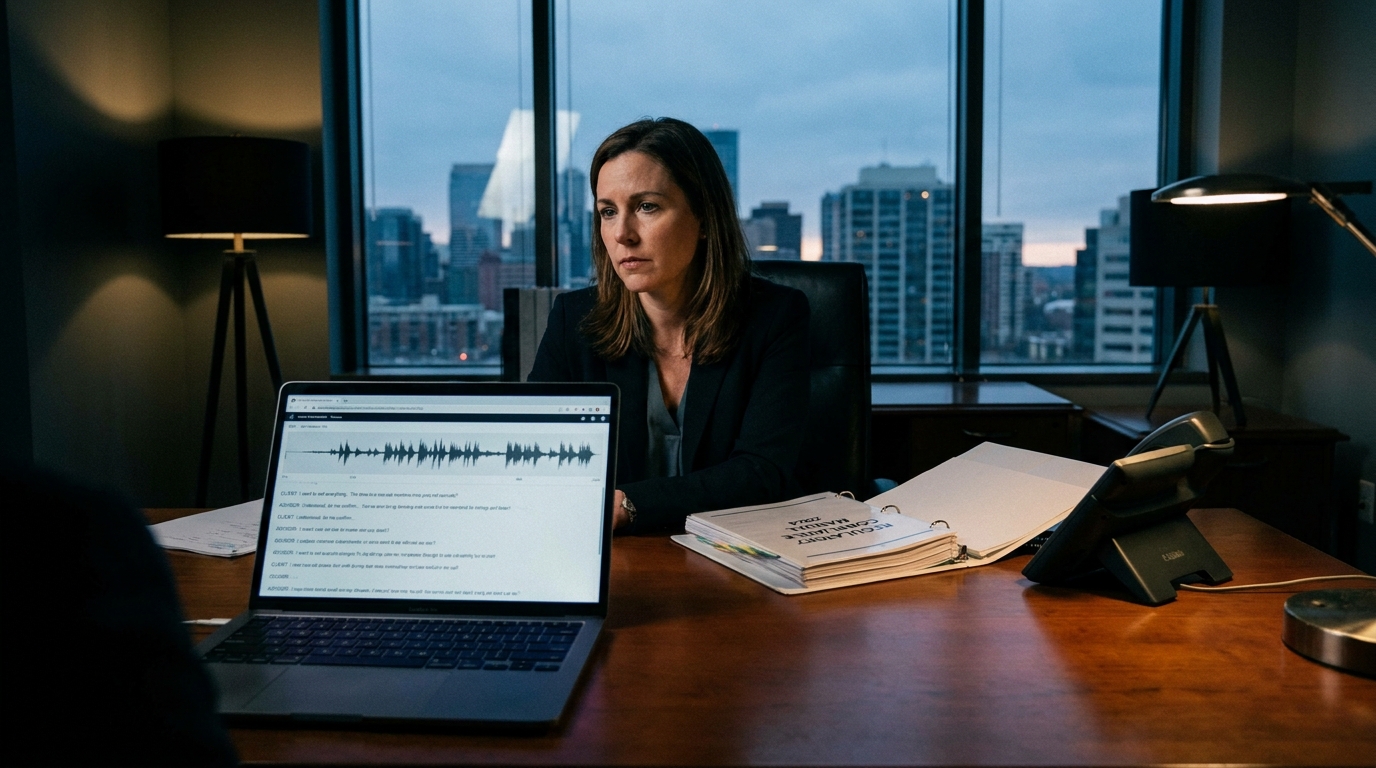
Voice Records and Regulatory Compliance: What Regulated Industries Need to Know
When a regulator asks for the record of a conversation, "I think I remember what was said" is not an acceptable answer. Regulated industries need accurate, retrievable voice records — and the tools to create them consistently.
Read article →

Interview Documentation: What HR Teams Get Wrong and How to Fix It
The interview is finished. The candidate has left. Now, who actually remembers what was said — and does it match what the other interviewers recall? For most organizations, the answer is uncomfortable.
Read article →

Documenting HR Investigations and Disciplinary Meetings: Getting It Right
When an HR investigation goes wrong, the record is often where it unravels. Incomplete notes, inconsistent accounts, and disputed quotes expose organisations to legal risk and erode the fairness that disciplinary processes depend on. Here is how to build documentation that holds.
Read article →

The Journalist's Interview: Why Accurate Transcription Is Part of the Craft
Every journalist knows the feeling: writing up a story and realising the quote in your notes doesn't quite match what the source said. A verbatim record of the interview eliminates that problem entirely.
Read article →
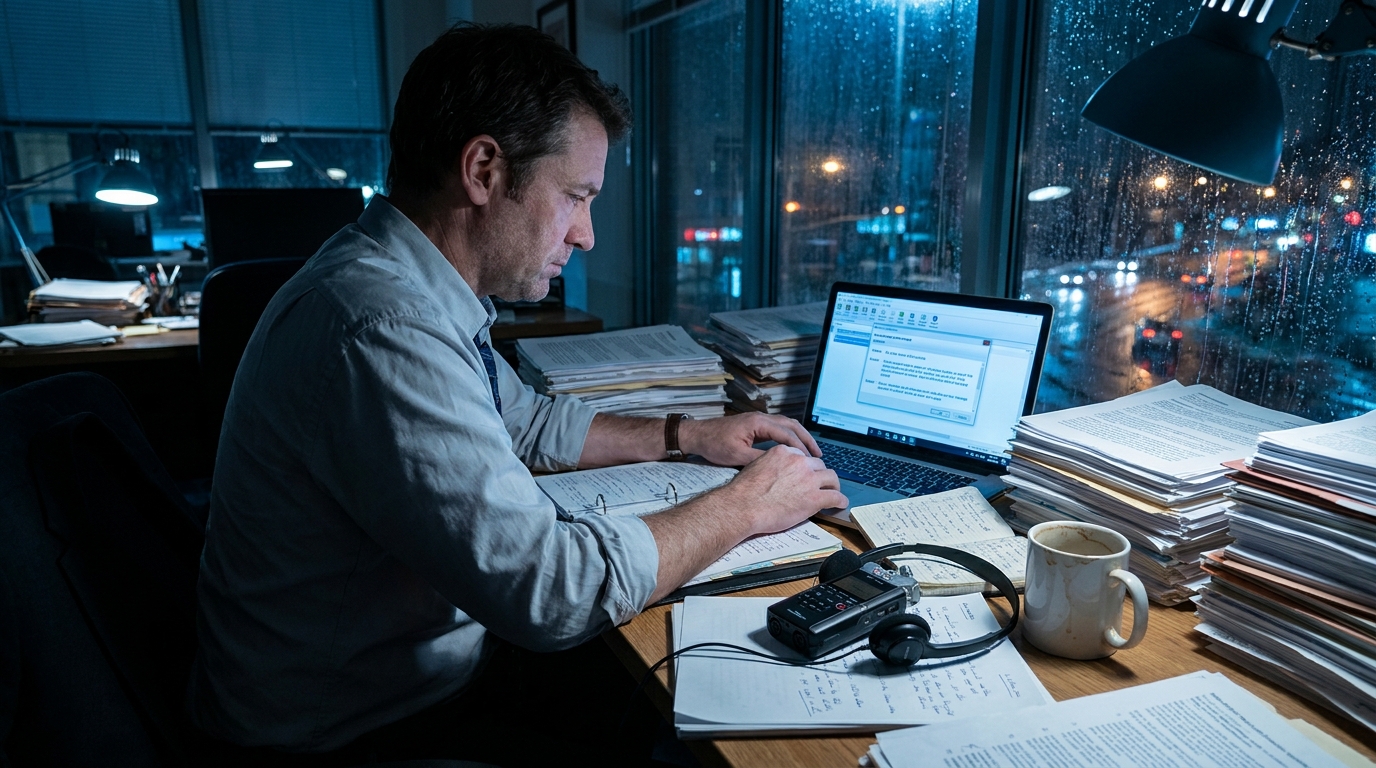
Accuracy Under Scrutiny: How Transcription Protects Journalists and Their Sources
A published quote is a claim. When that claim is disputed — by a subject, a lawyer, or an editor — the journalist needs a record that holds. Transcription is not just a productivity tool for journalists. It is an evidentiary one.
Read article →

Research Interviews and Focus Groups: Why Verbatim Records Change the Analysis
The most valuable moment in a focus group is often the one the researcher almost missed. A verbatim record doesn't just capture what was said — it makes the difference between insight and assumption.
Read article →

How Voice Transcription Improves Clinical Consultation Documentation
Every clinical consultation generates obligations that outlast the appointment. A complete, accurate record of what was discussed, decided, and communicated is the foundation of safe practice — and voice transcription is changing how clinicians create it.
Read article →

Telemedicine and the Documentation Gap: Why Virtual Consultations Demand Accurate Transcription
Telemedicine removes geography as a barrier to care. It also removes the shared physical space where traditional clinical documentation habits were built. The result is a documentation gap that accurate transcription is uniquely positioned to close.
Read article →

Beyond the Headphones: How Podcast Transcription Grows Your Audience
The podcast audience you have is everyone who can listen. The audience you are missing is everyone who cannot. Transcription is the bridge — and it turns out that bridge carries more traffic than most podcasters expect.
Read article →

From Recording to Show Notes: How AI Transcription Transforms Your Podcast Workflow
Every podcast episode contains hours of usable content trapped in audio. AI transcription unlocks it — giving you show notes, quotable clips, SEO-ready text, and a searchable archive without adding time to your production week.
Read article →

Why Sales and Customer Success Teams Are Adopting Call Transcription
The best sales insight is in the call. The problem is that most of it never makes it into the CRM. Call transcription changes that — giving sales and customer success teams the full record they need to move deals forward, coach reps, and protect revenue.
Read article →

Think Aloud, Think Accurately: Why UX Research Depends on Verbatim Session Transcription
A usability session produces sixty minutes of a participant narrating their experience in real time. The insight is in the exact words — not the researcher's notes about the words. Transcription is what makes that distinction matter.
Read article →
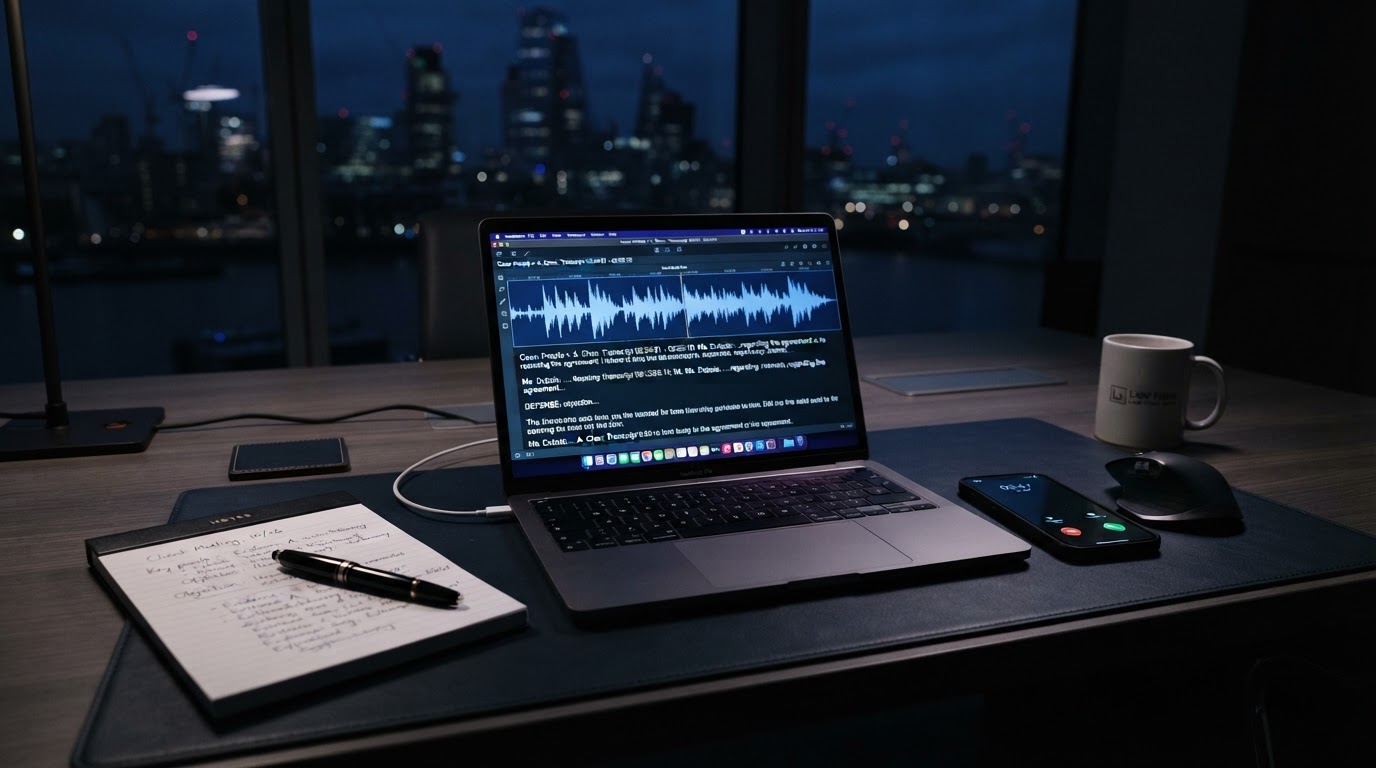
Client Call Documentation: What the Law Says, and What You Should Actually Do
Every client conversation generates obligations. A clear record of what was discussed protects your licence, your clients, and your case. Here is a practical guide for legal professionals.
Read article →

Meeting Notes That Actually Hold Up: A Manager's Guide to Documenting Team Decisions
Decisions get re-litigated. Commitments get disputed. Projects drift. Almost always, the root cause is the same: no one wrote down what was actually decided, or they wrote it down too late. A practical framework for managers.
Read article →